
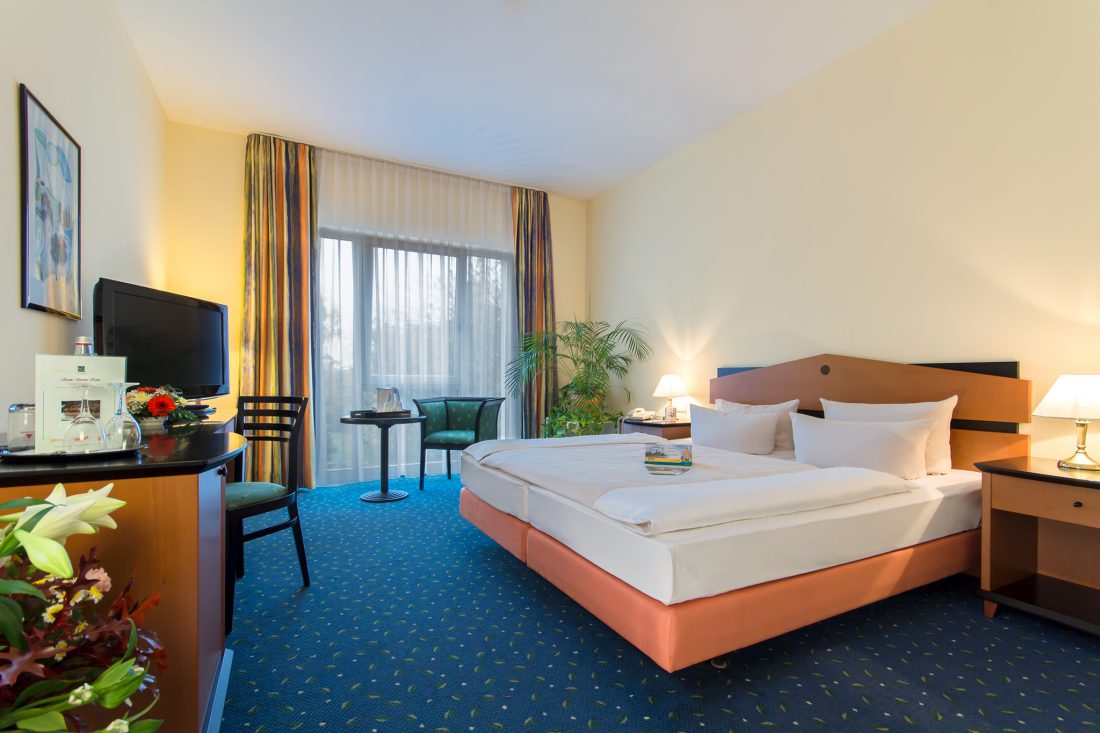
In interior photography, perhaps even more than in other areas, light is the key to success.
So before getting started, it’s advisable to switch on every light in the room. This helps create depth, brings out colors, and not least, sets accents. After that, you can consider whether additional lighting should be used or not.
Depending on the kind of space I’m working with, I decide whether to stick with natural light or whether to use flash units to ensure sufficient illumination and/or to create highlights.
The light should guide the viewer’s eye to what really matters. However, large white surfaces also tend to attract attention. This often happens with windows that are “blown out.” The reason for this is that many modern digital cameras cannot capture the large contrast between the darker interior and the bright daylight outside. As a result, there are usually two possible outcomes: either the room is well lit but the windows appear completely white, or the view outside is visible while the interior remains dark.
That leaves two options: avoid the outside view and keep the windows out of the frame, or make use of technical tools to handle the contrast. Personally, I prefer the second option.
Depending on the client’s wishes and expectations, I also decide how realistic the final image should be. It’s not always about simply reproducing reality through light; often it’s more about creating an image or impression. The important thing is just this: even if you bend reality a little, it shouldn’t be too obvious.