
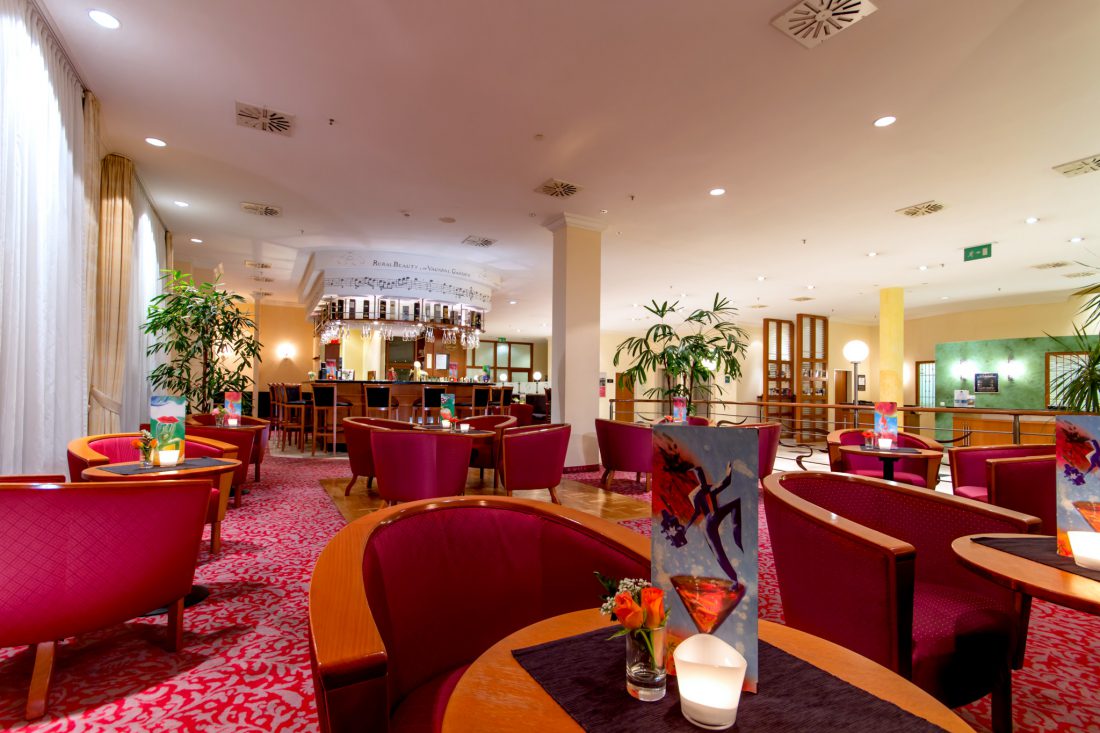
Everything in the can? Then it’s time to head back to the office or home. Post-processing awaits. Because the photos, as they come out of the camera, unfortunately aren’t quite ready to be published yet.
First, the digital negative (RAW) is “developed,” and then (at least in my case) comes the fine-tuning.
Since I deliberately underexpose my images (as mentioned in Part 3), the first step is to bring back the darker areas and also recover the still slightly overexposed highlights. After that, the overall exposure and contrast are adjusted, the colors are enhanced a little, and, if available, the lens correction for the lens used is applied.
Next comes the fine-tuning, which is already a bit more advanced. At this stage, small distracting elements that couldn’t be removed beforehand are retouched, the sharpness is adjusted, and a levels correction is applied. In most cases, that’s already enough.
Personally, I also use a number of additional adjustments, but I won’t go into those here – partly because it would go beyond the scope of this guide, and partly because I’d like to keep a small professional secret to myself.
Have you made it this far? Then congratulations! I’m confident that by now you’ve taken some appealing interior photographs of your own.